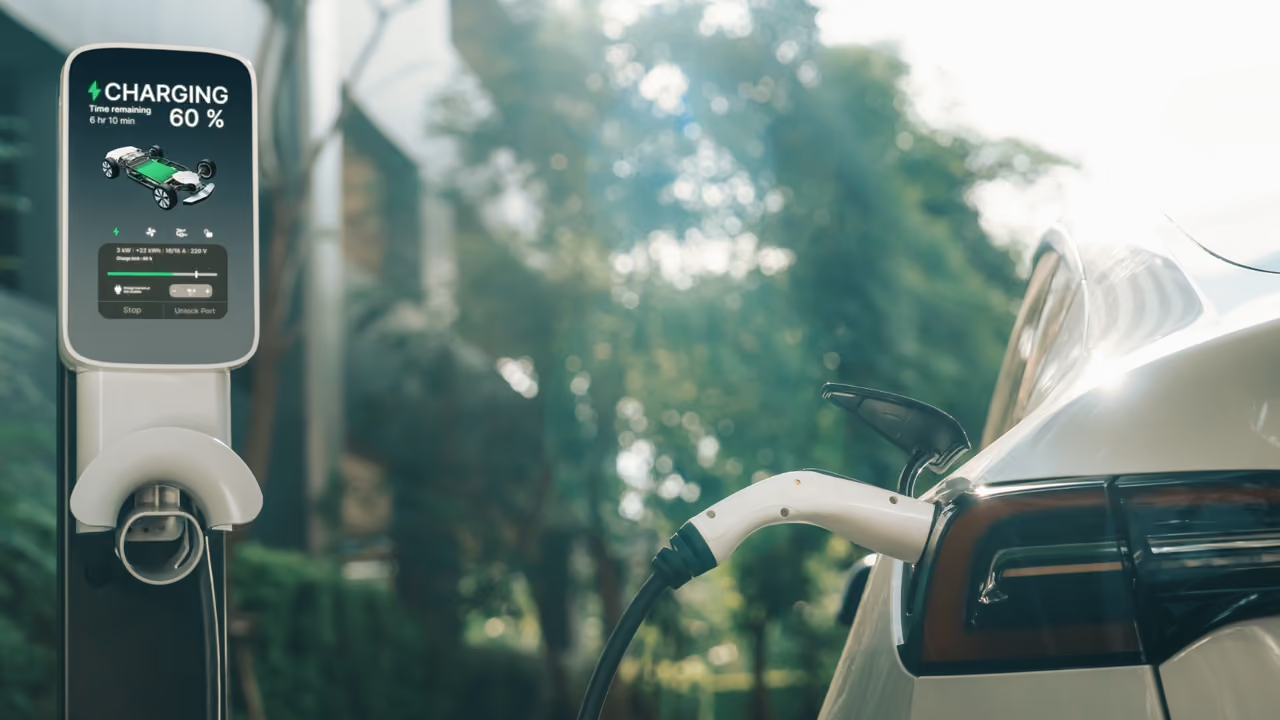
How do you charge an electric vehicle when the nearest station is miles away, and the power grid is anything but reliable?
Expanding electric vehicle (EV) charging infrastructure has become a priority as EV adoption accelerates, but rural areas remain a significant blind spot. While cities boast networks of fast chargers popping up on every corner, rural communities face a different reality—one where distance, infrastructure, and economics collide to complicate the rollout of EV charging stations.
Current State of EV Charging in Rural Regions
Rural America, and similar regions worldwide, lag behind urban centers in EV charging availability. According to recent data, the density of public chargers in rural areas is less than a quarter of that in metropolitan zones. This disparity isn’t just inconvenient; it profoundly influences EV adoption rates outside cities, where long distances and limited public transit make personal vehicles essential.
Typically, rural areas rely on slow Level 2 chargers or even basic outlets that require hours to recharge a vehicle. Fast chargers—those that can replenish an EV battery in under 30 minutes—are scarce. The result? Range anxiety isn’t just a buzzword here; it’s a real barrier preventing many rural drivers from switching to electric.
Unique Challenges Faced in Rural EV Infrastructure Expansion
The hurdles in rural EV charging expansion are multifaceted and stubborn:
- Low Population Density: Sparse populations mean fewer users per charging station, making it hard to justify the investment for private companies.
- Electrical Grid Limitations: Many rural areas have outdated or limited power infrastructure, lacking the capacity to support fast chargers without significant upgrades.
- Geographical Challenges: Remote locations often have difficult terrain and longer distances between towns, increasing installation and maintenance costs.
- Economic Constraints: Lower average incomes and less commercial activity reduce the financial incentives for fast charging networks to expand there.
- Permitting and Regulation: Local regulations and slower permitting processes can delay installation, especially where local governments lack experience with EV infrastructure.
These challenges create a classic chicken-and-egg problem: without charging infrastructure, EV adoption stalls; without more EVs, infrastructure investment seems risky.
Innovative Technologies and Community-Driven Solutions
Despite these barriers, innovation and grassroots efforts are carving paths forward.
Smart Microgrids and Renewable Integration
One promising approach is leveraging smart microgrids powered by local renewable energy sources. Solar panels combined with battery storage provide a way to sidestep limitations of the main grid. For instance, rural communities can install solar arrays at charging sites, storing energy during the day and delivering it for EV charging in the evening. This reduces reliance on grid upgrades and cuts operational costs.
Mobile Charging Units
Some startups and utilities are experimenting with mobile charging solutions—trailers or trucks equipped with batteries that can be dispatched to different locations as needed. This flexibility addresses peak demands during events or seasonal tourism without the fixed cost of permanent infrastructure.
Community Cooperatives
Rural EV adoption is also benefiting from community-driven initiatives. In places where private companies hesitate, local cooperatives and municipalities step in to build and manage charging stations. These cooperatives pool resources and apply for government grants aimed at rural electrification and clean energy.
Vehicle-to-Grid (V2G) Technology
Emerging V2G technologies allow EVs not just to consume power but also to supply it back to the grid during peak demand. In rural settings, this can help stabilize weak grids and provide an additional revenue stream for EV owners, making ownership more attractive despite limited charging options.
Future Outlook Bridging the Urban-Rural EV Charging Gap
Closing the rural-urban divide in EV charging requires coordinated efforts from governments, private sector players, and local communities. Federal and state funding programs are increasingly recognizing this need, providing grants specifically targeting rural infrastructure development.
Technological advances are making chargers more adaptable and less grid-dependent, which suits the unique constraints of rural areas. Meanwhile, the growth of EV models with longer ranges gradually eases the immediate pressure on charging density.
Still, the path ahead is complex. It demands creative financing models, flexible technology deployment, and local engagement to build trust and understanding. Only by embracing the unique context of rural areas can EV infrastructure truly become inclusive, supporting the transition to clean transportation for all, no matter where they live.