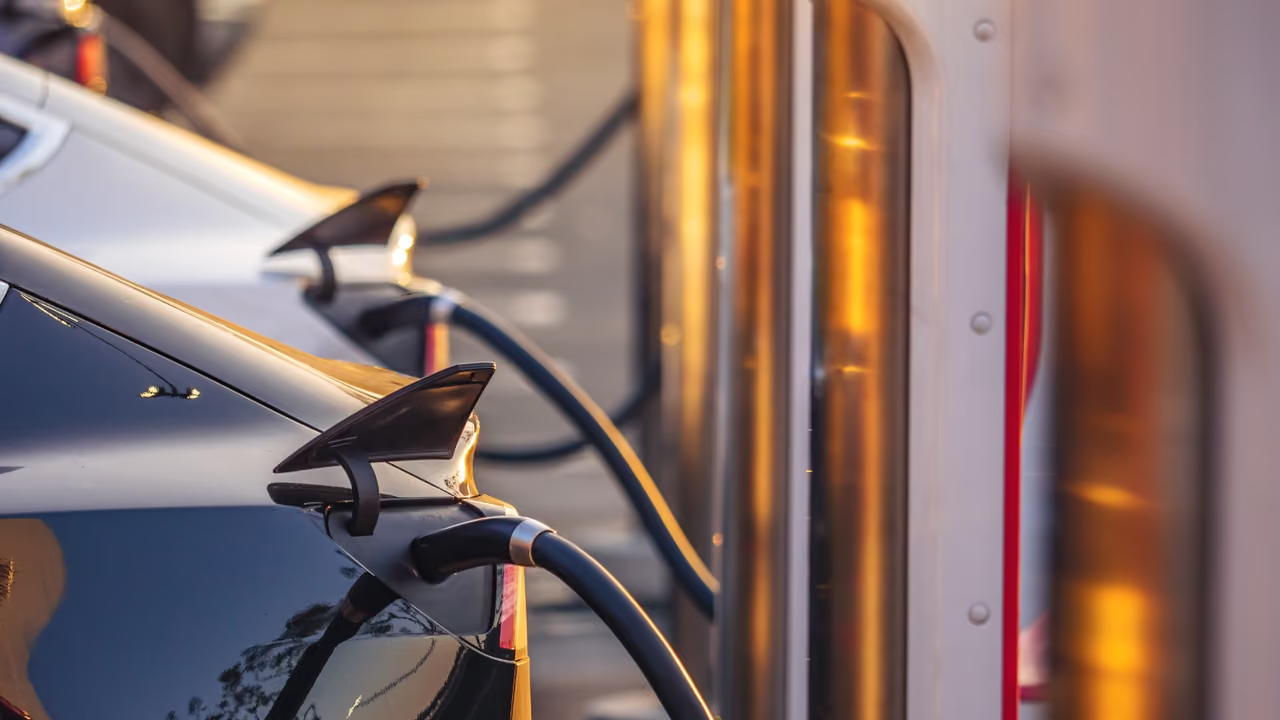
Electric vehicle charging is stepping into a new phase with smart grid integration. This shift will change how we power our cars and manage energy. It’s not just about plugging in anymore. It’s about linking vehicles to a smart energy system that improves efficiency and convenience in real time.
Understanding Smart Grid Integration in EV Charging
Smart grid integration connects electric vehicles (EVs) to a flexible energy network that uses digital tools to track and control energy flow. Unlike old grids, a smart grid talks to EV chargers to balance demand and supply. It often uses renewable energy sources and energy storage to keep things running smoothly.
Smart EV chargers come with software and communication features that let them react to signals from the grid. They can change charging speeds based on how much power the grid needs, time-of-use pricing, or when clean energy is available. This creates a two-way flow of information and, increasingly, electricity. Vehicles don’t just take power—they can also send it back to the grid during busy times.
Benefits of Smart Charging for Energy Efficiency
Smart charging helps energy efficiency in several ways. First, it prevents the grid from getting overloaded by spreading out charging times. Instead of all EVs charging during the busy evening hours, smart systems can delay or slow charging when demand is high and speed it up during quieter times.
This load balancing cuts the need for fossil fuel power plants to start up during peak hours. That lowers carbon emissions and saves money. Utilities can also better use renewable sources like solar and wind by matching EV charging with times when these sources produce the most energy.
Smart charging also protects battery health by controlling how fast batteries charge. It avoids rapid charging that can wear out batteries faster. This helps the grid and makes EV batteries last longer, which is key for sustainability.
Enhancing User Experience with Intelligent Charging Solutions
Smart grid integration isn’t just good for energy systems; it makes life easier for EV owners. Intelligent charging apps let users schedule charging during the cheapest or greenest times automatically. Many apps show real-time updates on energy prices, grid status, and charging progress. This puts control right in the driver’s hands.
New tech like vehicle-to-grid (V2G) lets EV owners take part in energy markets. They can earn credits by sending stored energy back to the grid. This turns charging from a simple task into an interactive experience with possible financial rewards.
Smart charging networks often work with other smart home devices. This creates smooth energy management across appliances, heating, and EV charging. Imagine your car charging when your solar panels produce extra energy and pausing when your home uses more power—all without you doing a thing.
Challenges and Future Prospects of Smart Grid-Enabled EV Charging
Smart grid EV charging has big promise but also faces challenges. Upgrading infrastructure costs a lot and needs cooperation between utilities, car makers, and policymakers. Making sure vehicles, chargers, and grids all speak the same language is still tricky.
Privacy and cybersecurity are also concerns. As more devices connect and share data, protecting user information and stopping hacking attempts on critical systems is vital. These issues need constant attention.
Looking forward, advances in artificial intelligence and machine learning will improve how smart charging predicts and reacts to energy needs. Widespread use of V2G could turn EVs into a huge, distributed energy resource. This would help stabilize grids and speed up the use of renewable energy.
Smart grid integration will be key as electric vehicles become common. It will shape a cleaner, stronger energy future where convenience and sustainability go hand in hand.