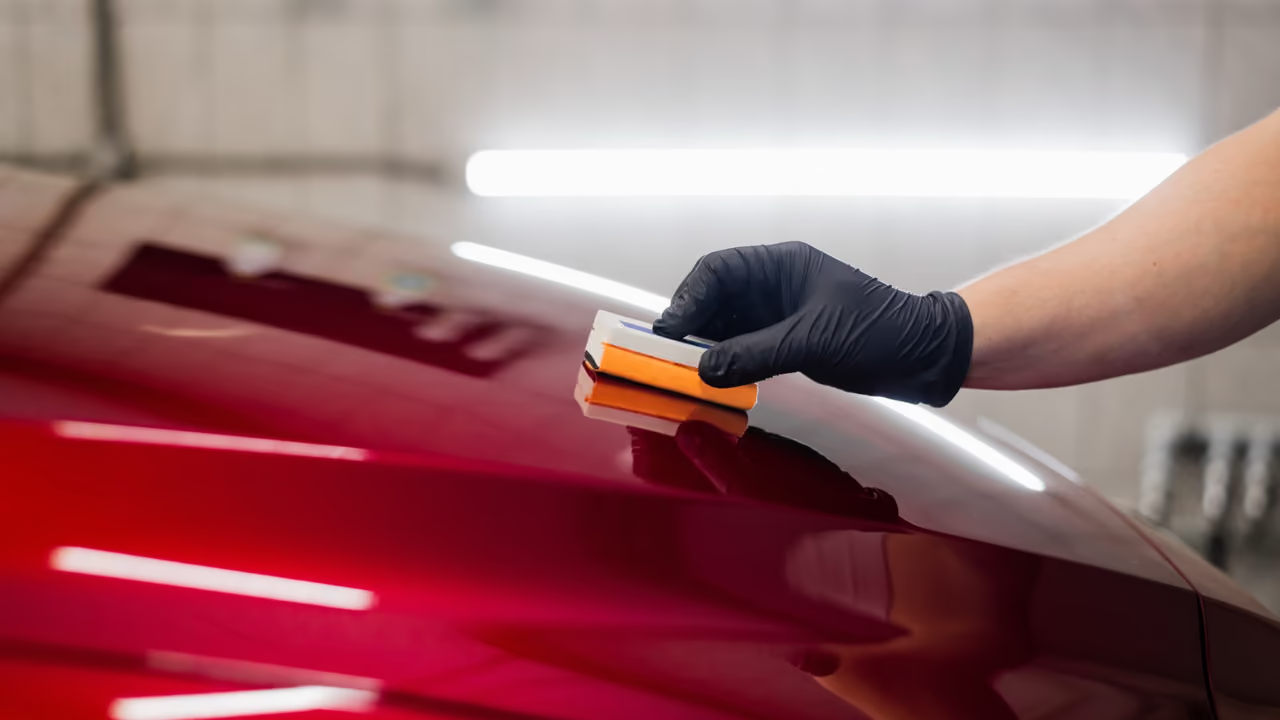
What happens to the automotive repair and maintenance industries as electric cars take over the roads?
How Electric Cars Differ Mechanically from Traditional Vehicles
Electric vehicles (EVs) aren’t just traditional cars with a different fuel source; they represent a fundamental shift in automotive mechanics. Instead of internal combustion engines (ICE) powered by gasoline or diesel, EVs use electric motors powered by large battery packs. This swap drastically reduces the number of moving parts. Where a conventional car might have thousands of components in its engine, transmission, and exhaust systems, an electric car’s drivetrain is far simpler.
For instance, EVs lack an engine oil system, spark plugs, fuel injectors, and complex transmissions. Brake wear is also reduced due to regenerative braking systems that use the electric motor to slow the vehicle and recharge the battery simultaneously. This mechanical simplicity means many common maintenance tasks for ICE vehicles don’t apply to EVs.
Challenges and Opportunities for Mechanics in the EV Era
Mechanics face a double-edged sword with the rise of electric cars. On one hand, the reduced mechanical complexity means fewer routine maintenance tasks—no oil changes, fewer brake replacements, no timing belt replacements. This reduction threatens traditional revenue streams for repair shops focused on regular maintenance.
On the other hand, the new technology brings fresh opportunities. Electric vehicles still require specialized care, particularly in battery health, electric drivetrain diagnostics, and high-voltage systems. Mechanics must grapple with high-voltage electrical components that pose safety risks if handled improperly. This demands new skill sets and safety protocols.
Moreover, diagnosing EVs relies heavily on software and electronic control units. Mechanics need to be adept with advanced diagnostic tools and software updates, which are increasingly delivered over-the-air by manufacturers. This shift challenges traditional hands-on mechanical expertise but opens doors to a more tech-oriented approach.
The Evolution of Automotive Repair Shops Adapting to Electric Cars
Repair shops are already evolving to meet the demands of electric vehicles. Some have invested in high-voltage training programs and equipment to safely service EVs. This includes insulated tools, battery diagnostic machines, and specialized lifts designed for heavier battery packs.
Smaller independent shops face uphill battles adapting due to the costs and training required. Meanwhile, dealerships and specialized EV service centers are expanding their electric vehicle service capabilities. Some shops have created dedicated EV bays separate from traditional vehicle service areas to maintain safety and efficiency.
Additionally, the rise of mobile EV repair services is notable. Given the complexity and safety regulations around EVs, some services offer on-site diagnostics and minor repairs, reducing the need to take the vehicle to a shop.
Future Outlook Training and Technologies Shaping EV Maintenance
- Training Programs: Technical schools and automotive training programs are rapidly integrating EV-specific courses. Certifications focusing on high-voltage safety, battery technology, and EV software diagnostics are becoming standard prerequisites for new mechanics.
- Advanced Diagnostic Tools: The future of EV maintenance heavily depends on software. Expect increased reliance on AI-powered diagnostic systems that can predict battery degradation, detect faults early, and optimize vehicle performance remotely.
- Battery Repair and Recycling: As EVs age, battery maintenance and eventual replacement become critical. Repair shops will need to develop expertise not only in swapping battery modules but also in safely handling and recycling lithium-ion cells.
- Collaboration with Manufacturers: EV manufacturers often maintain control over repair data and software updates. Repair shops may need to partner closely with OEMs or subscribe to manufacturer-specific platforms to access necessary repair information.
- Remote and Over-the-Air Updates: The ability for EVs to receive updates remotely reduces some repair needs but also means mechanics will focus more on software troubleshooting and calibration rather than physical repairs.
The transformation driven by electric cars is profound and ongoing. Repair and maintenance industries are at a crossroads—adapt and evolve with technology or risk obsolescence as simpler, software-driven vehicles become the norm.