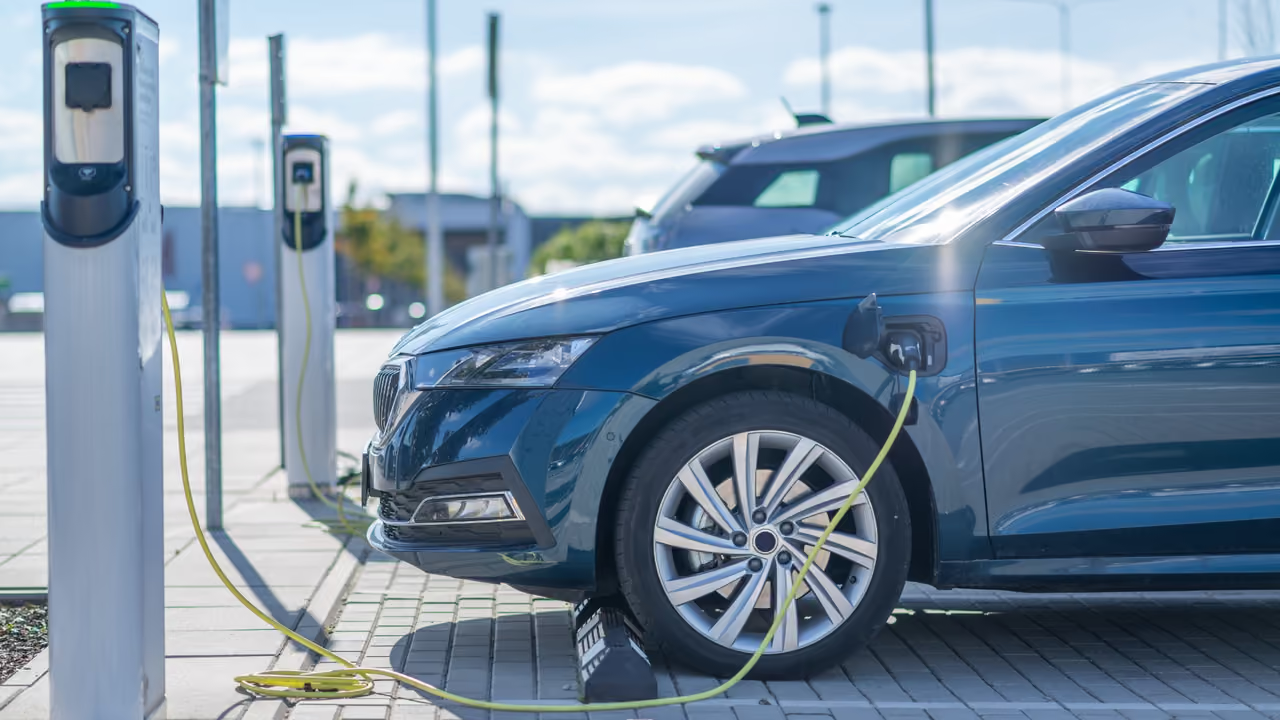
Are electric cars really as green as we think once you factor in the full story behind their batteries? Everyone loves the idea of zero tailpipe emissions, but the environmental footprint of battery production and disposal is often hidden from view.
The lifecycle of EV batteries from mining to manufacturing
Electric vehicle (EV) batteries are complex, but their core parts come from a few key raw materials. Lithium, cobalt, nickel, manganese, and graphite are the main ingredients dug from the earth. The process starts with mining these minerals, then refining and chemical processing, and finally assembling the battery cells. This whole chain uses a lot of energy and resources.
Mining happens all over the world—lithium mostly comes from Australia and South America, cobalt mainly from the Democratic Republic of Congo, and nickel from places like Indonesia and Russia. After mining, these materials travel long distances to factories, often crossing continents, where they are turned into the lithium-ion cells that power EVs.
The manufacturing process itself is energy-heavy. Building a single EV battery can require hundreds of kilowatt-hours of electricity, depending on the size. Some factories rely on fossil fuels for power, which adds to the carbon footprint. Even the chemicals used in battery production can be toxic and need careful handling to avoid pollution.
Environmental concerns in battery material extraction
Mining battery materials raises serious environmental and ethical issues. It is energy-intensive and often damages ecosystems, pollutes water, and degrades soil. For example:
- Lithium mining in dry places like the Atacama Desert drains scarce freshwater, threatening local farms and indigenous communities who rely on that water.
- Cobalt mining has been linked to human rights abuses, including child labor and unsafe working conditions in parts of Africa.
- Nickel extraction produces sulfurous waste that can pollute rivers and harm fish and other aquatic life.
Beyond local damage, the carbon footprint of mining and refining these metals is large. Much of the energy used comes from coal or other fossil fuels, which undercuts some of the climate benefits of driving electric.
Innovations in battery recycling and second-life applications
Thankfully, the EV industry is aware of these problems. Recycling technology is improving fast, aiming to recover valuable metals from old batteries and cut the need for new mining. The main recycling methods include:
- Hydrometallurgical processes that use chemical solutions to pull metals out of shredded batteries.
- Pyrometallurgical methods that melt batteries at high temperatures to separate metals.
- Direct recycling techniques that keep battery materials’ structure intact so they can be reused in new cells.
Researchers and companies are also finding second-life uses for EV batteries. When a battery’s performance drops too low for cars, it can still store energy for solar panels or help stabilize the power grid. This extends the battery’s useful life before recycling, cutting waste and lowering demand for new materials.
Some projects use retired EV batteries to power remote villages or backup systems, proving that second-life applications can be practical and valuable. However, scaling these solutions requires better standards and infrastructure to test, certify, and deploy used batteries safely.
Balancing EV benefits with sustainable battery management
Electric vehicles cut local air pollution and greenhouse gas emissions while driving, but their batteries come with a complex environmental price. To truly green the EV revolution, three priorities stand out:
- More responsible mining. We need stricter environmental and labor rules worldwide, plus investment in mining methods that cause less harm. This includes better water management and reducing toxic waste.
- Scaling up recycling infrastructure. Governments and industry must work together to improve battery collection and advance recycling technologies that recover more metals efficiently and safely.
- Designing batteries for longevity and reuse. New battery chemistries and designs can make cells last longer and be easier to repurpose or recycle.
Without these steps, the environmental gains from EVs risk being outweighed by the hidden costs of their batteries. The future of sustainable transportation depends not just on driving electric, but on how we source, use, and reclaim the materials that power these vehicles.