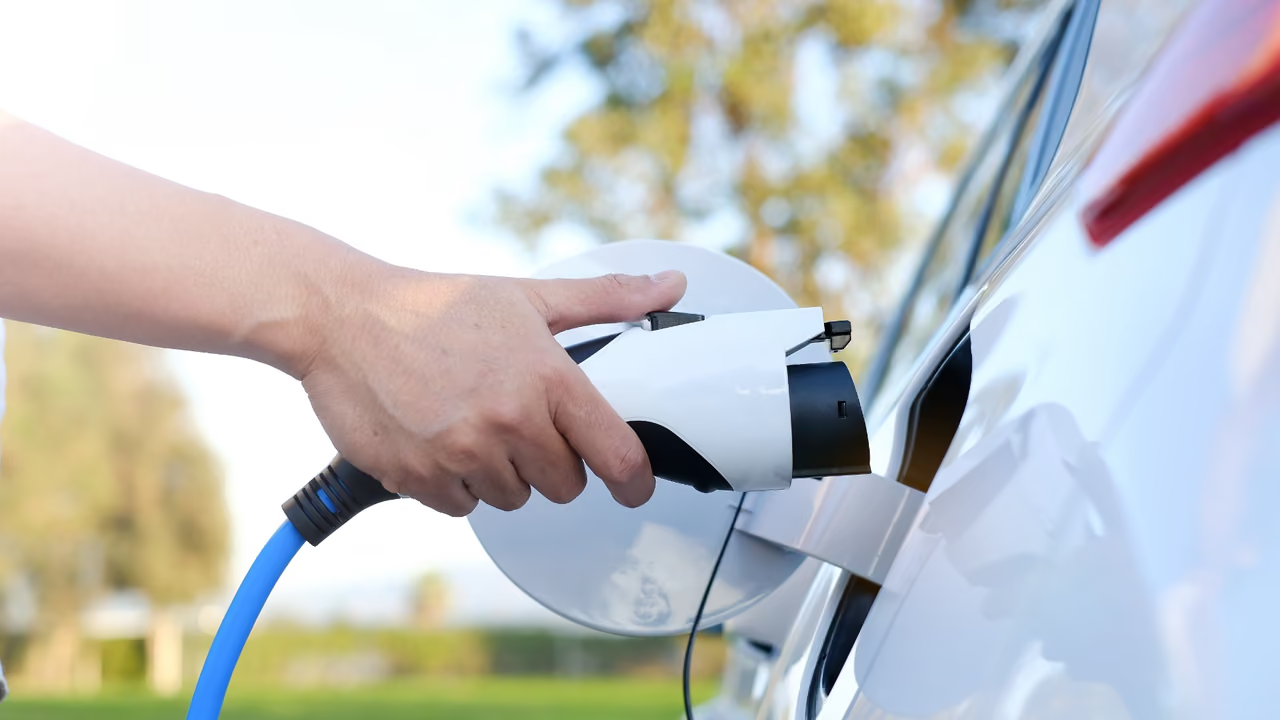
Can smart EV charging be the key to stabilizing our increasingly strained power grids? As electric vehicles (EVs) become more common, the way we charge them is evolving from a simple plug-and-play action into a sophisticated system that interacts with the entire energy network.
What is Smart EV Charging and How Does It Work?
Smart EV charging is a technology that manages the timing and rate of electric vehicle charging based on various factors such as grid demand, energy prices, and renewable energy availability. Unlike traditional charging, which starts as soon as the vehicle is plugged in, smart chargers communicate with the grid or a central control system to optimize when and how fast the car charges.
This is typically achieved through software integrated with the charging station or the vehicle itself. Algorithms analyze data from the electricity grid, weather forecasts, and user preferences to decide the best charging schedule. For example, a smart charger might delay charging until off-peak hours when electricity is cheaper and demand is lower, or ramp up charging when there’s excess solar or wind power available.
The Role of Smart Charging in Balancing Electricity Demand and Supply
Electricity grids are complex systems that must maintain a constant balance between supply and demand. As more EVs hit the roads, uncoordinated charging can create spikes in electricity demand, especially during peak hours, putting stress on the grid and increasing the need for fossil fuel backup plants.
Smart EV charging acts as a flexible demand response tool. By shifting charging to times when demand is low or renewable generation is high, it helps flatten peak loads and reduce the need for expensive and polluting peaking power plants. This flexibility is crucial for integrating more variable renewable energy sources like wind and solar, which don’t produce power consistently.
Moreover, some smart charging systems can respond in real-time to grid signals. If the grid is under stress, charging rates can be temporarily reduced or paused, then ramped back up when conditions improve. This dynamic interaction enhances grid resilience and can even reduce the risk of blackouts.
Benefits of Smart Charging for Consumers and Utility Providers
For consumers, smart charging offers financial and practical advantages:
- Cost savings: Charging during off-peak periods or when renewable energy is abundant can lower electricity bills significantly.
- Convenience: Automated scheduling means users don’t have to manually adjust charging times.
- Vehicle battery health: Some systems optimize charging speed and timing to extend battery life.
Utility providers gain from smart charging in these ways:
- Grid stability: Better demand management reduces the likelihood of overloads and outages.
- Lower infrastructure costs: Smoother demand profiles delay or reduce the need for new power plants and grid upgrades.
- Renewable integration: Smart charging helps absorb surplus renewable energy, increasing its utilization and reducing curtailment.
Future Developments and Challenges in Smart EV Charging Technology
The future of smart EV charging holds exciting possibilities but also significant hurdles. Advances in vehicle-to-grid (V2G) technology promise to turn EVs into mobile energy storage units that can feed electricity back into the grid during peak demand, creating a two-way energy flow. This could transform EVs from just energy consumers into active grid participants.
Artificial intelligence and machine learning will refine charging algorithms further, improving predictions and real-time responsiveness. Integration with home energy management systems will allow seamless coordination between EV charging, solar panels, battery storage, and household appliances.
However, challenges remain. Widespread adoption of smart charging requires standardization of communication protocols between vehicles, chargers, and utilities. Cybersecurity is critical to protect the system from hacking or malicious interference. Additionally, regulatory frameworks must evolve to enable and incentivize smart charging participation while protecting consumer rights.
Consumer acceptance is another factor. Users need assurance that smart charging won’t inconvenience them or leave their vehicles undercharged. Transparent control options and clear benefits will be essential to build trust.