Walking through many cities today, you might notice something different. The air feels cleaner, streets quieter, and the usual hum of traffic seems less invasive. It’s not just a trick of perception—electric cars are quietly transforming urban life in ways that go far beyond simply replacing gasoline engines.
Impact on Urban Air Quality and Public Health
One of the most immediate and tangible effects of electric vehicles (EVs) on cities is the improvement in air quality. Traditional internal combustion engines emit nitrogen oxides, particulate matter, and other pollutants that contribute to smog and respiratory problems. In dense urban areas, these pollutants can become concentrated, leading to higher rates of asthma, bronchitis, and other chronic illnesses.
Replacing petrol and diesel cars with electric models significantly cuts down these harmful emissions. Better air quality means fewer hospital visits and improved overall public health. Cities like Oslo and Los Angeles, which have aggressively promoted EV adoption, are already reporting measurable reductions in urban pollution. This shift also brings a subtle psychological benefit—cleaner air encourages more outdoor activity, which contributes to healthier lifestyles.
Redefining Parking and Urban Space Usage
Electric cars are not only changing what powers vehicles but also how cities organize their streets and parking lots. Traditional cars require large, often inefficiently used parking spaces, many equipped with gas stations nearby. As EVs become more common, urban planners are rethinking these spaces.
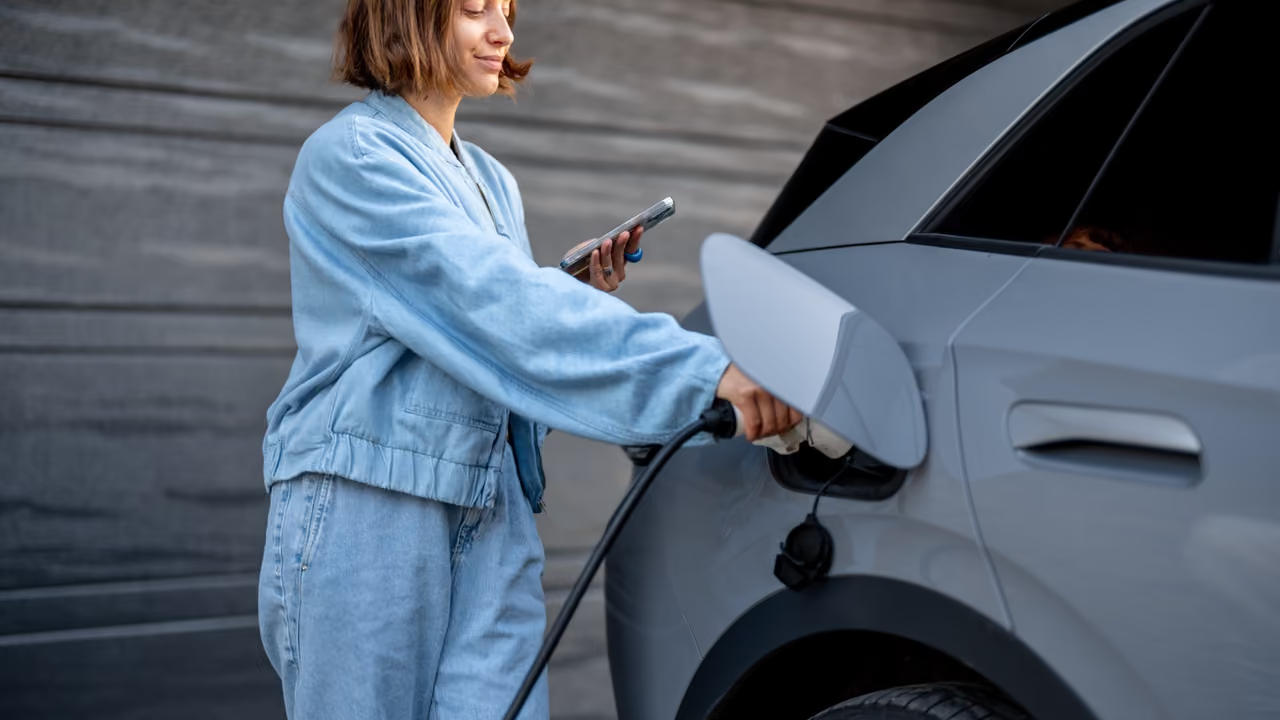
Charging infrastructure needs to be integrated thoughtfully. Instead of sprawling gas stations, cities are installing compact charging hubs that can fit into smaller footprints, sometimes even replacing single parking spots. This shift opens the door to repurposing urban spaces:
- Smaller parking lots: With more people charging at home or work, the need for large public parking areas may decrease.
- Multi-use spaces: Parking areas can be transformed into green zones, bike lanes, or pedestrian-friendly plazas.
- Shared vehicle programs: Electric car-sharing fleets can reduce the total number of vehicles, freeing up space.
In essence, electric cars are nudging cities to rethink the physical footprint of personal transportation, potentially making urban environments more livable and less dominated by asphalt.
Integration with Renewable Energy and Smart Grids
Electric vehicles are uniquely positioned to be more than just cleaner cars—they can become active parts of the energy ecosystem. Unlike gasoline vehicles, EVs rely on electricity, which increasingly comes from renewable sources like wind and solar. This creates a synergy between clean energy generation and clean transportation.
Many cities are experimenting with smart grids that connect EV charging stations with renewable energy production. This integration enables:
- Load balancing: Charging times can be optimized to match periods of high renewable energy output, reducing strain on the grid.
- Vehicle-to-grid (V2G) technology: EVs can feed electricity back into the grid during peak demand, acting as mobile energy storage units.
- Reduced carbon footprint: Using renewables to power EVs cuts emissions even further, making urban energy use more sustainable.
This interconnected system shifts the role of cars from being mere consumers of fossil fuels to partners in a smarter, greener energy future.
Challenges and Opportunities for City Infrastructure
Despite these promising changes, the rise of electric cars presents challenges that cities must tackle head-on. Infrastructure needs to evolve rapidly to support widespread EV adoption:
- Charging station deployment: Cities must install enough public chargers to meet demand, especially in neighborhoods without private parking.
- Grid capacity upgrades: Increased electricity consumption from EVs requires investments in power distribution networks.
- Equity considerations: Ensuring all residents, regardless of income or housing type, have access to charging is critical to avoid deepening urban divides.
Yet these challenges also open opportunities for innovation. Modular, scalable charging solutions can be integrated into streetlights or sidewalks. Data-driven planning can optimize infrastructure placement. Partnerships between municipalities, utilities, and private companies can accelerate deployment and reduce costs.
Ultimately, electric cars are prompting cities to rethink how they build and manage infrastructure—not just for vehicles, but for energy, space, and community well-being.